Booking a vacation rental for Shabbat is a different exercise from booking a hotel. A listing can look beautiful and still leave a family unable to get through the front door on Friday night. The details that matter rarely appear in the headline, so it is worth knowing what to ask before you book.
Here is what observant families tend to check, in roughly the order it matters.
How you get in and out
This is the first question, and the one most listings never answer. A keypad with an electronic lock, a smart lock or a phone-based entry system is a problem over Shabbat. What you want is either a mechanical keypad, which works without electricity, or an old-fashioned physical key, and ideally both: one for the building and one for the residence.
Ask specifically about the building entrance and the residence door separately. They are often different systems, and a building with a mechanical entry can still hand you a smart lock upstairs.
What is in the kitchen
A Shabbat hot plate and a hot water urn turn a rental kitchen into one you can actually use over Shabbat and a two-day yom tov. Separate meat and dairy dishes matter just as much, and are far less common in vacation rentals than you would hope.
If a residence does not have them, ask whether they can be arranged before you arrive, and who pays for what. A good host will tell you plainly.
How far the shul really is
Walking distance is a phrase that gets stretched. Ask for the name of the synagogue rather than a number of minutes, then check the route yourself: a straight-line distance on a map can hide a causeway, a highway crossing or a stretch with no sidewalk.
It is also worth asking whether there is more than one option, because a minyan that works for a weekday morning may not be the one you want for Shabbat.
The eruv, and who to ask about it
An eruv changes what a family with young children can do on Shabbat. Ask whether the area is served by one, and more importantly, who publishes its weekly status. Any honest answer points you at a local organisation rather than promising the eruv is up, because that is checked week by week.
Mikvah and kosher food
Mikvah access and kosher shopping are what make a longer stay workable rather than merely possible. Ask what is nearby by name, and check current certifications yourself before you travel, since they change.
Room for the family, and for two families
Space matters more over Shabbat than on an ordinary holiday, because everyone is home at the same time for longer stretches. A second bathroom, a proper dining table and somewhere for small children to sleep away from the adults are worth more than an extra bedroom on paper.
For larger or multigenerational families, two residences in the same building can work better than one big house: everyone is together without sharing a single kitchen and a single bathroom queue.
How this works at Miami Waterfront Retreats
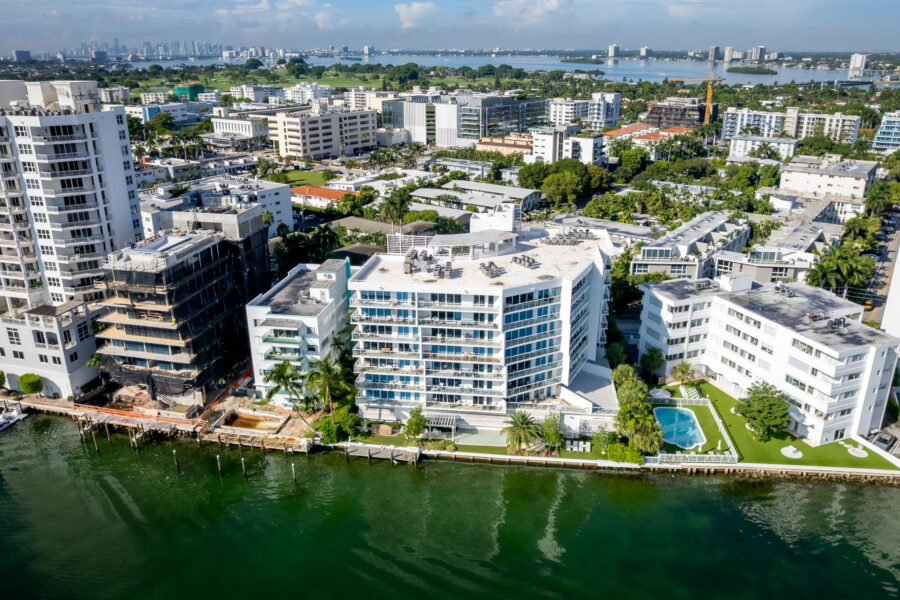
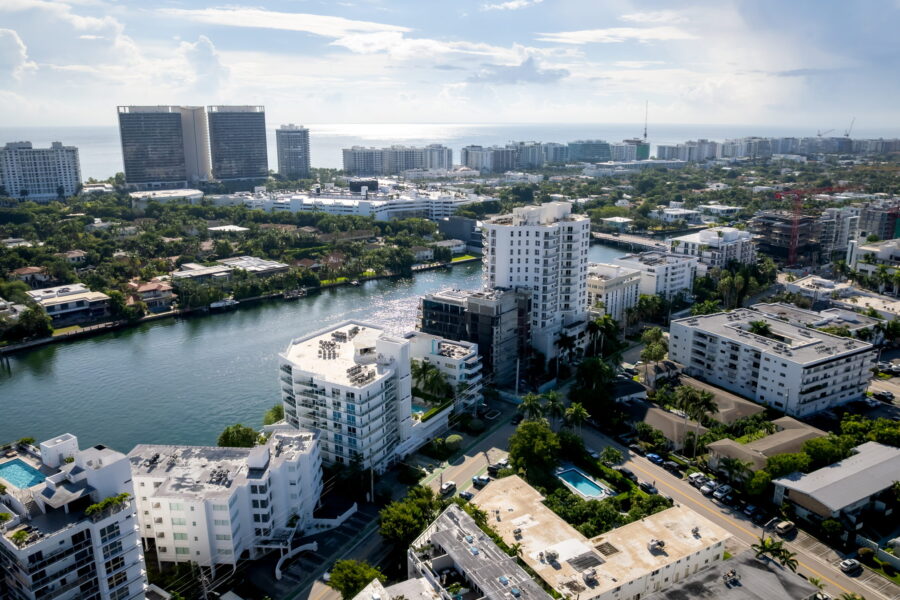
Our two residences at O Residence in Bay Harbor Islands sit between Bal Harbour and Surfside, next to one of South Florida’s established Jewish communities.
- A mechanical Shabbat keypad at a side building entrance, and a physical key to the residence on request, so nothing electronic is needed to come and go
- A Shabbat hot plate, a hot water urn and separate meat and dairy dishes in each residence
- Synagogue and minyan options in Bay Harbor Islands and Surfside, including Harborside Kollel and Bay Harbor Minyan, Chabad on Kane Concourse
- An eruv serving the wider Bay Harbor Islands, Bal Harbour and Surfside area, and mikvah resources in Surfside
- Kosher dining and groceries in both towns
- An optional kosher setup before arrival, and pre-arrival grocery stocking, subject to availability and at an additional charge
The detail, including who to check the current times and certifications with, is on our Shabbat and Jewish travel guide.
Which residence
Unit 405 is on the 4th floor, closest to the water, with the larger 222 sq ft balcony. Unit 803 is on the 8th, with elevated ocean, bay and Bal Harbour skyline views, a dedicated workspace and two parking spaces. Each sleeps five.
For a larger family, the two can be reserved together for up to 10 guests, in two separate private residences in the same building. They are not one four-bedroom condo, and that is the point: everyone stays close without living on top of each other.
Both are legally permitted short-term vacation rentals in Bay Harbor Islands.